‘Alarm’ about end of CSAM-monitoring deal
The Children’s Rights Alliance (CRA) has expressed “alarm and deep concern” about the upcoming expiry of a voluntary agreement by technology platforms to carry out limited monitoring of their platforms for child sexual-abuse material (CSAM).
The agreement is due to expire on 3 April, amid disagreement between the EU institutions on the issue.
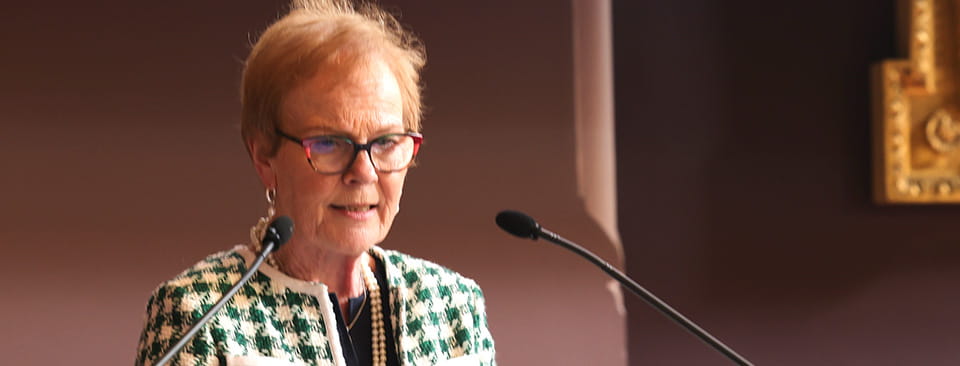
CRA online-safety co-ordinator Noeline Blackwell said that the current level of protection by digital platforms was “appallingly weak” and put children across the EU at risk.
“Now, because of a row between the European Parliament and the European Council, that very limited protection is due to end on 3 April,” she stated.
Encrypted material excluded
MEPs last week voted to extend the deal, which gives platforms an exemption from privacy legislation, until August, but failed to secure agreement from the EU Council, which represents member states.
The vote taken by MEPs also specified that the extension should apply only to material that had already been identified as such, or flagged as potential CSAM by a user, a trusted flagger, or an organisation.
The CRA said that this meant that all encrypted material, all those seeking to groom, and all new potential abusers would be excluded.
"Last week’s decision by the European Parliament to decrease the already weak monitoring systems that the platforms have in place was a massive disappointment for children’s safety and welfare,” said Blackwell.
‘Meaningless’
“This further reduction in responsibility for the platforms gives some credence to the European Council’s position when it now says that what they were being asked to accept was almost meaningless,” she added.
“The debate about child safety online has a long-standing, contentious history at EU institutional level, with little agreement about how to balance children’s rights to be protected from exploitation and harm and the general public’s right to data privacy,” Blackwell stated.
She acknowledged that there were proposals for permanent solutions but added that the current debate was about extending the “current and admittedly weak” stopgap.
Blackwell said that the parliament and council now had two weeks to fix the problem, adding that there was a need for all the EU institutions to “come down off their high horses”.